SportsAdda CMS

Blog

  • Pakistan captain Sarfraz praised for reporting corrupt coach to ICC

    Pakistan captain Sarfraz praised for reporting corrupt coach to ICC

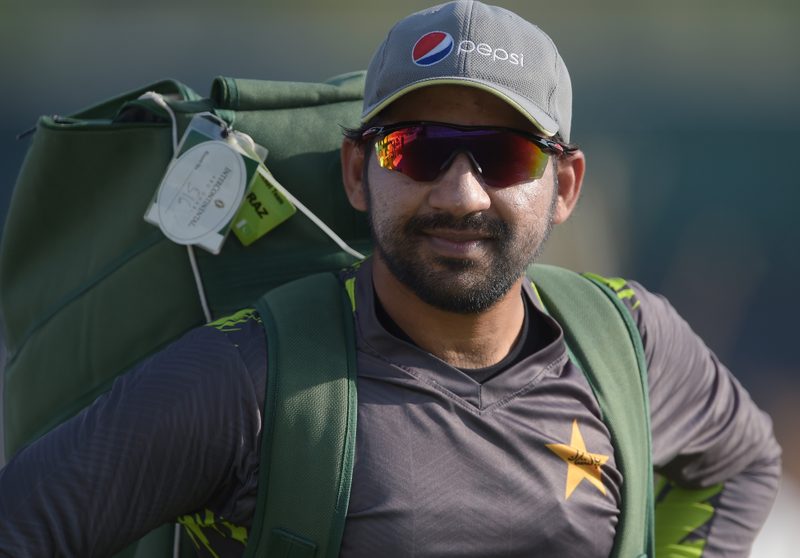
    Cricket coach Irfan Ansari has been banned for 10 years from the sport for making an illicit approach to Pakistan captain Sarfraz Ahmed, the International Cricket Council (ICC) announced on Wednesday.

    The ICC praised Sarfraz for his “true leadership” in reporting the approach by his compatriot, the United Arab Emirates-based Ansari, during the Pakistan v Sri Lanka one-day series in 2017.


    Aamir Quereshi/ AFP

    The ICC also hailed what they said is the first time someone has been prosecuted for non cooperation with an enquiry — Ansari refused on two occasions to testify to the ICC’s anti-corruption body.

    Ansari, who coached Sharjah, contacted Ahmed wishing to induce him into corrupt conduct by extracting information from him on the series which was being played in the UAE where Pakistan are compelled to play when they are the home team after international cricket was suspended after attacks on The Sri Lankan team bus in 2009.

    Ahmed, though, reported Ansari immediately. 

    Ansari is bound by the ICC anti-corruption code as a result of both his affiliation to the Pakistan cricket team and being a coach to two teams that participate in domestic matches in the UAE.

    He was found guilty of the three offences under the code.

    “I would like to place on record my thanks to Sarfraz Ahmed who showed independence leadership and professionalism from the moment he reported this approach,” said ICC general manager Alex Marshall.

    “He recognize it for what it was, rejected it and reported it. He then supported our investigation and subsequent tribunal.

    “This is the first time we have prosecuted for failure to cooperate with an investigation since the new rules enabling us to demand the participants hand over their phone for examination and the sanction reflects the seriousness of the offence.

    “It is an important tool to aid our investigations and continue in our efforts to rid the sport of these corrupters,” he added.

    Spot-fixing involving determining the outcome of a specific part of a match rather than the overall result and is, therefore, harder to detect than match-fixing.

  • Mitch Marsh to undergo surgery following a groin injury

    Mitch Marsh to undergo surgery following a groin injury

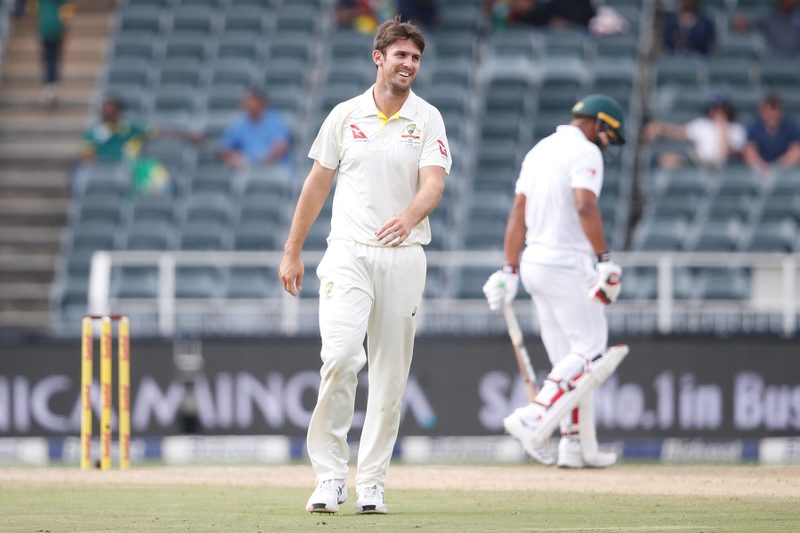
    Mitch Marsh’s miserable summer has got worse with the allrounder needing surgery following a blow to the groin in training, officials said.

    The 27-year-old, who has been dropped from the Australian Test, one-day and Twenty20 teams, was struck during a net session in Perth ahead of Western Australia’s Sheffield Shield clash with New South Wales.

    Gianluigi Guercia/ AFP

    “As a result of the impact, Mitch has undergone a minor surgical procedure and he won’t be available for this upcoming Shield fixture,” WA official Nick Jones told the Cricket Australia website late Wednesday.

    “Mitch’s recovery will be monitored closely over the coming week, before a decision can be made around his availability for the Round 8 Shield match.”

    It capped a horror few months for the WA skipper, who was hoping to use the Sheffield Shield to regain form, with an eye on the Ashes tour of England later this year.

    Marsh hasn’t batted at first-class level since the Boxing Day Test against India in December.

    He was dropped after that for the rest of the India series and the subsequent two Tests against Sri Lanka, singed by vice-captain last September.

    Marsh was also overlooked for Australia’s current one-day and Twenty20 tour of India.

    “I’ve been knocked around a bit this summer. But my dream of playing Test cricket is still not over. I’m only 27. I’ll keep fighting,” he said recently.

  • Kemar Roach ruled out of first two England ODIs due to a back strain

    Kemar Roach ruled out of first two England ODIs due to a back strain

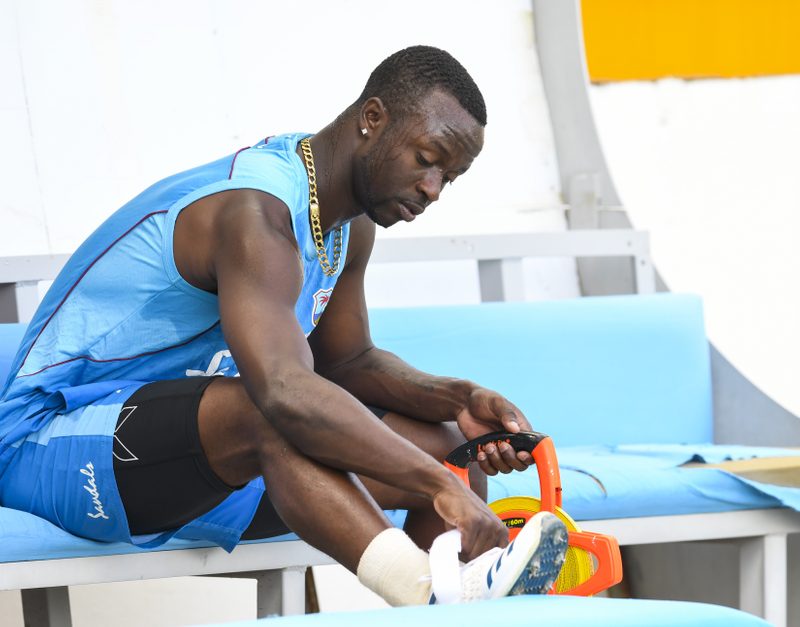
    Windies fast bowler Kemar Roach suffered a back injury in training, which has rendered him ineligible for selection for the first two One Day International matches against England. 


    Randy Brooks/ AFP

    The 30-year-old bowler was in prime form in the recently concluded Wisden Test series against England, picking up 18 wickets and being adjudged the man of the series. But a back injury will keep him out of contention for the first two white ball Against against same, with a decision on his participation emphasized to be taken depending on clearing fitness tests. 

    Roach, who has played 80 ODI games for his country and picked up 114 wickets, will now have only the handful of games against England and a tri-series with Ireland and Bangladesh to steak his claim for the Windies World Cup squad. 

    The Windies cricket board us believe the injury isn’t very serious, and have not named a replacement for Roach until now. 

  • Hardik Pandya ruled out of Australia series with a back injury

    Hardik Pandya ruled out of Australia series with a back injury

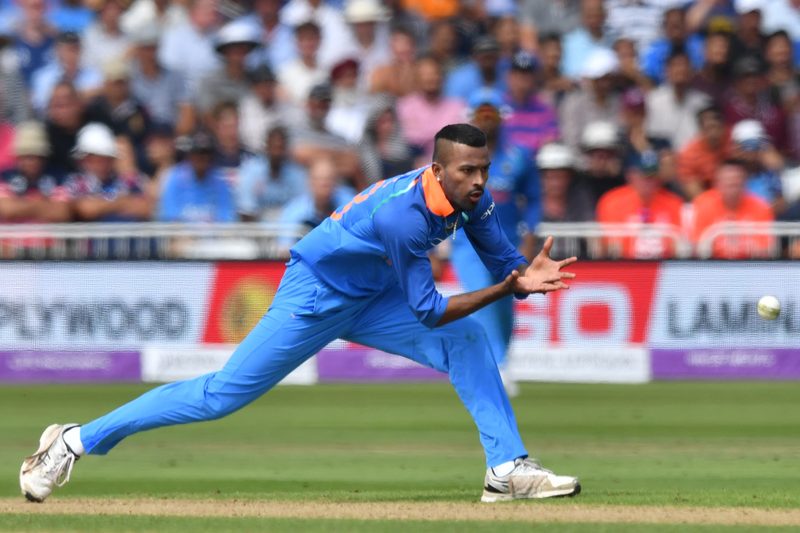
    Indian all-rounder Hardik Pandya has been ruled out of the ODIs as well as the T20 series against Australia with lower back stiffness, the BCCI confirmed in a press release on Thursday. 

    Left arm spinner Ravindra Jadeja will be replacing Pandya in the One Day leg of the Australia series while the selectors have decided to stick to a 14 man squad for the T20 games. 


    Anthony Devlin/ AFP

    Hardik Pandya will now undergo strength and conditioning training at the National Cricket Academy of Bangalore, in a bid to regain his fitness ahead of the 2019 World Cup. The 25-year-old suffered a similar injury in the Asia Cup in September 2018 and Only recently made his comeback to the Indian team against New Zealand, after temporarily being suspended by the BCCI for his ‘sexist’ comments at a Indian talk show. 

    The first T20 game between India and Australia is set to start on the 24th of February, with the first fifty over a game to be played on the 2nd of Match in Hyderabad. This will be India’s final tournament before the World Cup kicks off in June 2019 in England.

  • England acheive record chase to beat Windies in series opener

    England acheive record chase to beat Windies in series opener

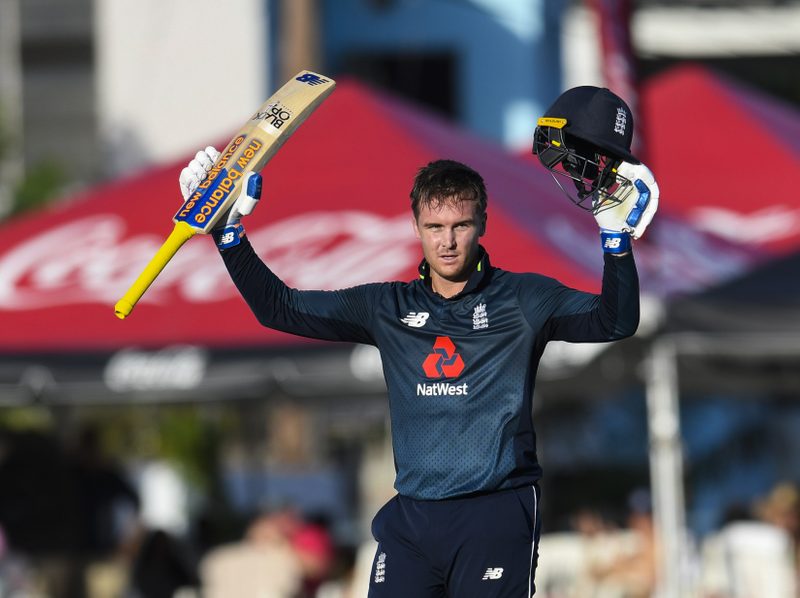
    Contrasting centuries by Jason Roy and Joe Root paced England to a comfortable six-wicket victory over the West Indies with their record one-day international run chase in a high-scoring opening game of a five-match series in Barbados on Wednesday.

    Set what looked a daunting target after Chris Gayle’s 24th ODI hundred anchored the home side to 360-8, Roy blazed 123 off 85 balls at the top of the order while Root cruised to a comparatively sedate 102 off 97 deliveries to take help the restaurants reach Their target with eight balls to spare.


    Randy Brooks/ AFP

    In achieving the highest-ever ODI run chase in the Caribbean and the third-highest overall, England underlined their status as the top-ranked team in this format of the game and will be brimful of batting confidence heading into the second match at the same Venue on Friday.

    Fresh from a hundred in the lone warm-up match at the weekend, Roy was at his most ruthless against the hosts who missed key fast bowler Kemar Roach.

    The ‘man of the series’ with 18 wickets as the West Indies surprised England 2-1 to reclaim the Wisden Trophy in the preceding Test duel, Roach has been ruled out of the entire ODI series due to early signs of what could develop into a Stress fracture of the lower back.

    Roy set the pace in racing to a hundred off just 65 balls –- the fastest-ever in ODIs in the Caribbean –- and dominated an opening stand of 91 with Jonny Bairstow.

    He maintained the charge through a 114-run second-wicket partnership with Root and by the time he fell in the 27th over to leg-spinner Devendra Bishoo, England were well on course.

    Root, the Test captain who finally came good with a hundred in the last innings of the three-match series in St Lucia just over a week earlier, also got to three figures against the University of the West Indies Vice-Chancellor’s XI last Sunday and Tapped into that rich vein of form once more.

    He put on 116 for the third wicket in 16 overs with Eoin Morgan and although the ODI skipper departed to fast bowler Oshane Thomas with victory in sight, there would be no serious alarms for England on the way to victory, although Root fell with the scores Level attempting the winning hit off West Indies captain Jason Holder.

    “I was particularly happy with the calm way we went about all aspects of this match,” Morgan said.

    Gayle delights home crowd 

    Earlier, Gayle lit up the Kensington Oval with another display of power-hitting.

    Playing his first ODI since the home series against Bangladesh last July and having announced that the upcoming World Cup will be his international farewell in the format, the big-hitting left-hander signalled his intentions for a lengthy grand finale with an innings of 135 off 129 balls with 12 sixes and three fours.

    His tally of maximums dominated an innings in which 23 sixes were struck, a new record for an ODI innings.

    Despite conceding 34 runs off his final two overs, leg-spinner Rashid played an important role together with Stokes in limiting the West Indies progress over the final 15 overs.

    Stokes returned the best figures of three for 37, including the important wicket of Gayle in the 47th over, dragging a full-length delivery onto his stumps.

    Rashid claimed three for 74, making important breakthroughs at the other end when the West Indies needed to press on the accelerator.

    England paid dearly for Roy dropping Gayle at point off seamer Liam Plunkett when the former West Indies captain was on just nine.

    “We made life very difficult for ourselves, and especially our bowlers, by missing too many chances,” said Holder.

    “You can’t give quality players so many opportunities and expect to be competing at the end.”

  • Butt says call to play PSL could be his shot at redemption

    Butt says call to play PSL could be his shot at redemption

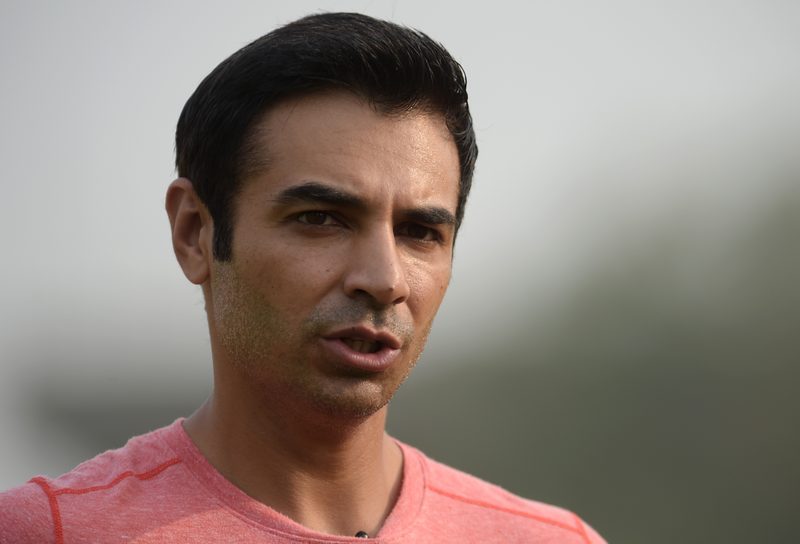
    Former Pakistan captain Salman Butt hopes an unexpected call to play in the domestic Twenty20 league will help him regain his place on the national team, he said Wednesday, years after he was banned for spot-fixing.

    The 34-year-old said he was delighted to join the Lahore Qalandars in the ongoing Pakistan Super League (PSL) as a replacement for Mohammad Hafeez, who was ruled out after fracturing his thumb.

    “After a long time I received one of the best messages of my life when Lahore called me to play in the PSL, and I am very happy to get this opportunity,” he told AFP.


    Aamir Quereshi/ AFP

    The PSL’s popularity has surged since it was first held in 2016. The bulk of the tournament is played in the United Arab Emirates, but with security improving in Pakistan the final eight matches — including the March 17 final — will be held at home, in Karachi and Lahore.

    The league’s growing profile means it is the first big chance for the left-handed batsman to rehabilitate himself since his high-profile ban for a spot-fixing scandal which erupted on Pakistan’s 2010 tour of England.

    Butt, captain of Pakistan’s Test team at the time, was charged for orchestrating deliberate no-balls from his pace bowlers Mohammad Amir and Mohammad Asif during the Lord’s Test in return for money.

    He was banned for five years in total, as were Asif and Amir. 

    Though they completed their bans in September 2015, only Amir was able to regain his place in the team.

    “It’s been a long time and I have been doing all my training and playing domestic cricket and trying my best to play for Pakistan,” said Butt.

    Since his return to domestic cricket in Pakistan, he has been a prolific run scorer, finishing with 536 runs in the National One-Day Cup in early 2016 — his first tournament since being cleared to play.

    He scored 741 runs in the premier first-class tournament — the Quaid-e-Azam trophy — with twin hundreds in the final to help his team to the title in December 2016, and continued his strong form in the same tournament last year .

    Butt said he hopes he has done his penance.

    “It’s been a long and hard path, but thankfully this is the first step and if I can carry on doing well things will work out, Inshallah,” he said.

    Before his ban Butt had played 33 Tests, 78 one-day internationals and 24 Twenty20 matches for Pakistan.

    He led Pakistan to a rare series draw against Australia in 2010, over two Tests played in England.

  • Southee, Taylor inspire Black Caps whitewash of Bangladesh

    Southee, Taylor inspire Black Caps whitewash of Bangladesh

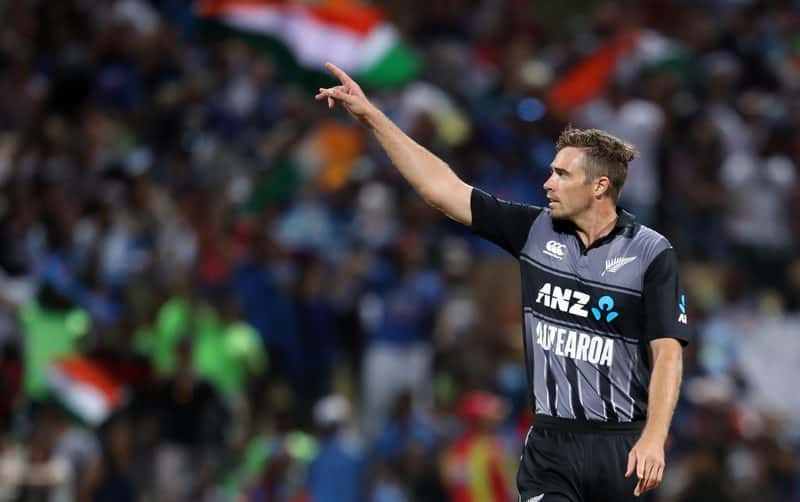
    Tim Southee snared a six-wicket haul and Ross Taylor tore up the record books as New Zealand dominated Bangladesh to seal a 3-0 series whitewash with an 88-run victory in the final one-day international in Dunedin on Wednesday.

    Sabbir Rahman’s gallant maiden ODI century saved Bangladesh from total humilation after they lost three wickets with just two runs on the board chasing New Zealand’s imposing target of 331.


    Micheal Bradley/ AFP

    The tourists were 242 all out in 47.2 overs after the Black Caps were sent into bat and made 330 for six at University Oval.

    It was final New Zealand outing before the Cricket World Cup and players were desperate to impress coach Gary Stead even though the fixture was a dead rubber.

    Paceman Tim Southee, overlooked in New Zealand’s past six ODIs, took six for 65 to guarantee himself almost certainly a berth at the tournament.

    Henry Nicholls looks to have secured an opening batting slot with a sparkling 64, but out-of-form rival Colin Munro was dismissed for eight.

    “Henry’s shown he’s a versatile player for us… he’s a key component of our batting line-up,” Black Caps coach Gary Stead said, adding that Munro might make the trip as injury cover.

    Ross Taylor became New Zealand’s highest-scoring one-day international batsman as his 69 off 81 balls took him past 8,000 runs in th 50-over format. 

    His 47th ODI half-century saw Taylor reach 8,026 runs, overtaking Stephen Fleming’s previous record of 8,007. 

    The 34-year-old, who made his ODI debut in 2006, reached his milestone in 203 innings with a superb average of 48.34. 

    ‘Got a few years left’ 

    “I definitely would have taken that when I played my first match donkey’s years ago,” he said. 

    “If you play long enough I guess these records come along but it’s nice to set the bar for the next guy. 

    “I’m still enjoying myself and hopefully I’ve still got a few years in me.”

    Tom Latham pressed his claim for a World Cup spot with a solid 59 while Colin de Grandhomme and Jimmy Neesham both scored 37 as they seek all-rounder berths.

    Bangladesh made a horror start to the run chase when Tim Southee claimed a trio of top-order wickets in his opening two overs to leave the visitors reeling on two for three. 

    The run rate slowed to a crawl after Mushfiqur Rahim and Mahmudullah Riyad departed, each caught by Munro after offering rash shots in pursuit of quick runs. 

    Resistance finally came in the form of Rahman and Mohammad Saifuddin, who made 44 in a 101-run partnership that added respectability to the scoreboard.

    Captain Mashrafe Mortaza said Rahman’s plucky 102 was one of the highlights of a tough series.

    “It’s disappointing but we have to come back stronger,” he said.

  • South Africa’s Philander ruled out of second Test

    South Africa’s Philander ruled out of second Test

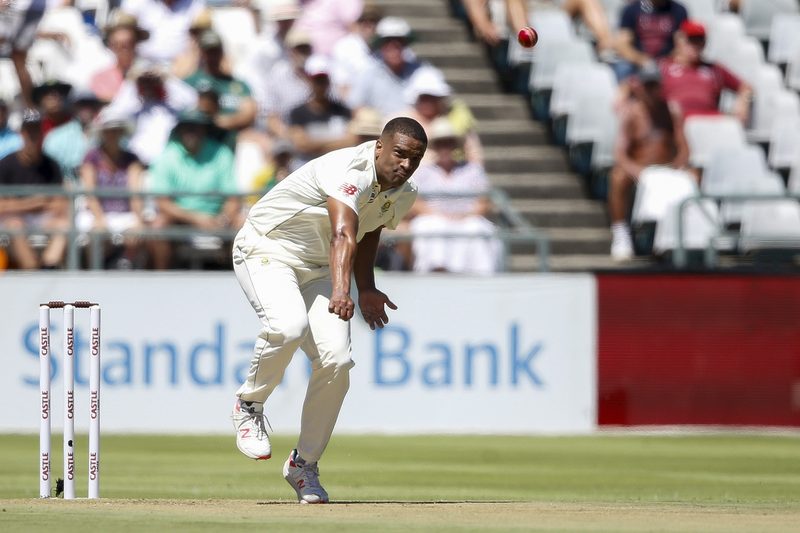
    Opening bowler Vernon Philander has been ruled out of the second Test between South Africa and Sri Lanka starting at St George’s Park on Thursday.

    South African coach Ottis Gibson said on Tuesday that Philander, who did not bowl in the second innings of Sri Lanka’s one-wicket win in Durban last weekend, had a grade one hamstring tear, which would keep him out of action for 10 to 12 days .


    Gianluigi Guercia/ AFP

    Gibson said uncapped all-rounder Wiaan Mulder would be considered as a “like for like” replacement, depending on conditions.

    Gibson defended South Africa’s tactics during a world record last wicket winning stand of 78 between Kusal Perera, who made 153 not out, and number 11, Vishwa Fernando.

    “I didn’t see that happening, to be honest,” said Gibson of his team’s defeat, “but credit has to go to them, particularly Perera.

    “We thought our tactics were spot on. We threw everything at him and he withstood all of that. We tried spin, we bowled over the wicket, we bowled around the wicket, we bounced him, we tried to york him.

    “He rode his luck early on but then he settled down. That’s the nature of sport. When somebody has a day like that, when it happens to you it’s tough to take but you have to give him credit for the way he played.”

    Gibson said there was no talk of revenge as South Africa tried to square the two-match series.

    “There’s no focus on revenge, our focus is on playing a little bit better,” he said.

  • Scotland bowl out Oman for 24 in one-day game

    Scotland bowl out Oman for 24 in one-day game

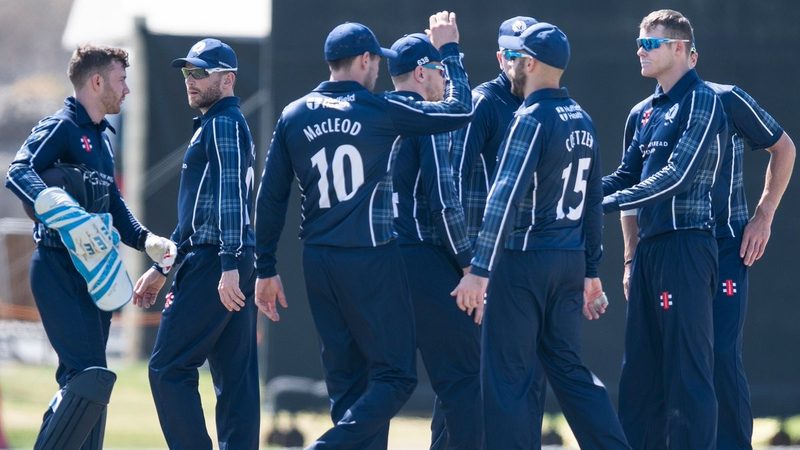
    Scotland bowled out Oman for just 24 en route to a 10-wicket thrashing of the hosts in their opening one-day match on Tuesday.

    Five Oman batsmen were dismissed for ducks as they were skittled in just 17.1 overs, with Khawar Ali striking the only boundary of the innings in his top-score of 15.


    Cricket Scotland/ Twitter

    Scottish seamers Ruaidhri Smith and Adrian Neill both finished with figures of 4-7.

    Oman’s highest partnership was just eight runs as they posted the fourth-lowest score in List A history, six runs better than the 18 made by West Indies Under-19s against Barbados in 2007.

    Scotland, who narrowly missed out on qualifying for this year’s World Cup, completed their run chase in just 20 balls as openers Matt Cross and Kyle Coetzer hit four boundaries between them.

    “We want to be dominant. We want to be ruthless. And that’s exactly what happened on the pitch. We got on top of them and wouldn’t let them go,” Scotland’s acting head coach Toby Bailey told cricketscotland.com.

    The sides will play two more games in the three-match series on Wednesday and Friday.

  • Five times politics took over cricket

    Five times politics took over cricket

    Sports tend to carry great power in uniting people, bringing together nations irrespective of differences in caste, sect or religion; evoking the purest of patriotic affinities. Be it the South African rugby team of 1995 which united a nation struggling to overcome their racial differences, Or the Sri Lankan cricket team of 1996 that managed to reinvigorate its citizens at the height of a civil war, sport has had great ability to shape the course of a nation’s history. 

    However, many a times political tensions tend to override the sporting sentiments, with the ‘gentleman’s game’ suffering the worst of the sacrifices in the wake of political conflicts. Here is a list of five times politics took over from cricket…

    Pakistani players’ IPL snub  

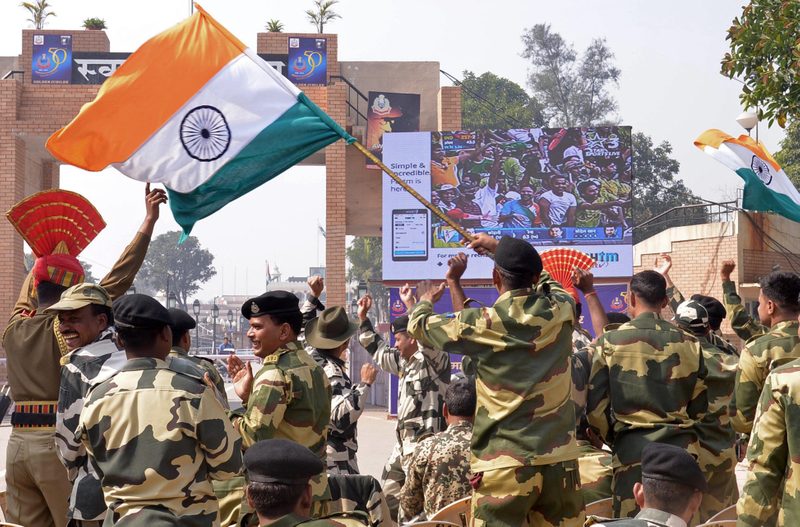
    Diplomatic relations between India and neighbouring Pakistan have always been tender, despite their mutual adoration towards cricket. However, cricket was the loser when all Pakistani cricketers went unsold at the Indian Premier League auction for the 2009 edition.

    After the city of Mumbai suffered a horrific terrorist attack in November, 2008 with the perpetrators having Pakistani connections; tensions between the two nations were rife. The IPL had to face the brunt of it as the likes of Shahid Afridi, Sohail Tanvir and the rest Werew not picked up by any of the Indian franchises fearing backlash. 

    Following the snub, Pakistani cricketers have since boycotted the IPL with matters escalating to such a level that no bi-lateral tournaments between the two countries being played since 2012. 

    Bodyline dents two nations

    Short pitched bowling by a pacer is generally seen as a sign of positive aggression by most today; but in 1932-33 Ashes series, it almost broke down diplomatic relationships between Australia and England. 


    JR Loke/ AFP

    The hosts Australia had a certain Don Bradman amongst the ranks, and to counter his batting prowess, England’s bowlers devised a tactic of relentless short bowling which later went on to ‘Bodyline.’ although no batsmen were seriously injured, the Australian media And Public Towards the negative tactic by the visitors. England’s main bowler Harold Larwood was asked to give a written apology to the Australian board, but he refused and never played for England again in the future. 

    Off the field, diplomatic relations between the two countries remained tense till the second World War, with Australian products being rejected by England and its colonies;. And vice versa English immigrants in Australia were ostracized while Australian visitors to England faced hostility Even a statue. Of Prince Albert was vandalized in Sydney, with the word ‘Bodyline’ painted on it. 

    Dug up pitches and venomous vipers


    Greg Wood/ AFP

    In October of 1991, Pakistan were slated to play a Test series in India. However, Indian political party Shiv Sena were in open protest of this series over the Kashmir conflicts, with a mob illegally entering Mumbai’s Wankhede stadium and digging up the pitch a night Before the Test match. The playing surface was rendered unplayable and the entire series was scrapped amidst political tensions. 

    The same right-wing group attempted to disrupt a bi-lateral series even in 1999, vowing to release several venomous snakes onto Delhi’s Feroz Shah Kotla stadium. But the BCCI were more vigilant this time around, employing around 20 of the best snake charmers to Curb the nuisance. Thankfully, the who went ahead and is today forever remembered as the game when Anil Kumble picked up ten wickets in an innings. 

    Zimbabwe’s cricket crisis


    Adrian Dennis/ AFP

    In the early 2000s, Zimbabwe were an up and coming cricketing nation with the likes of Heath Streak, Henry Olonga and Andy Flower at the prime of their careers. However, cricketing talent in the African nation was being supressed by their long-serving Prime Minister Robert Mugabe insistent of having a minimum number of black players in the team irrespective of talent. 

    When Streak addressed this issue to his cricket board, he was unceremoniously sacked as captain, replaced with the young and untested Tatenda Taibu. Streak announced his retirement with immediate effect following the sacking, alongside 15 other players and officials who were ousted by the board. Zimbabwe’s cricket board along with the ICC agreed to have self-imposed ban on Test cricket which lasted until 2005, owing to poor performances by their new set of players which were all most all racially profiled to pander to Mugabe’s campaign. 

    D’Oliviera affair

    All-rounder Basil d’Oliviera might not have been the biggest name in cricket, but he was the subject of a massive political controversy in the 1960s. Owing to the apartheid period in South Africa, players of colour were ineligible for selection to the national Team. D’Oliviera, who was a coloured South African, emigrated to the United Kingdom to play with the Worcestershire county club and was eventually selected to play for England. Tensions rose when d’Oliviera was selected for an away tour against the Proteas in 1968, with many politicians in South Africa claiming the selection to be racially motivated. 

    However, this Basil d’Oliviera controversy highlighted South Africa’s cricket apartheid to all in the world, with a subsequent South African tour to England cancelled in 1970. The South African team was also shunned by the ICC and banned from all tournaments, until they were Given a re-entry to the sport in November, 1991 after they denounced the system of apartheid.